

What is a CNC Machining Center?
A CNC Machining Center is a sophisticated, computer-controlled machine used for various manufacturing processes, such as milling, drilling, and turning. These centers allow manufacturers to automate and optimize production, reducing manual labor and improving precision. Through advanced software and programming, CNC Machining Centers can perform multiple tasks on a single machine, reducing setup times and increasing efficiency.
How CNC Machining Centers Streamline the Manufacturing Process
Incorporating CNC Machining Centers into your operations provides several advantages, such as reducing errors, minimizing downtime, and optimizing workflow. Here’s how these centers streamline the manufacturing process:
1. Automating Complex Operations
One of the most significant benefits of CNC Machining Centers is their ability to automate complex manufacturing operations. Once programmed, these machines can execute precise cutting, milling, and drilling tasks without the need for manual intervention. This not only improves accuracy but also speeds up production cycles.
2. Reducing Setup Time
CNC Machining Centers are designed to minimize setup time, allowing manufacturers to quickly transition between different production tasks. These machines use automated tool changers (ATCs) and pallet systems, enabling continuous production without stopping to manually change tools. By streamlining setup, manufacturers can achieve higher throughput and reduce downtime.
3. Enhancing Precision and Accuracy
With their computer-controlled design, CNC Machining Centers ensure consistent precision, even when producing complex or intricate parts. These machines can operate within extremely tight tolerances, which is crucial for industries such as aerospace, automotive, and medical device manufacturing, where precision is non-negotiable. By minimizing human error, CNC Machining Centers deliver higher-quality parts, reducing the need for rework or corrections.
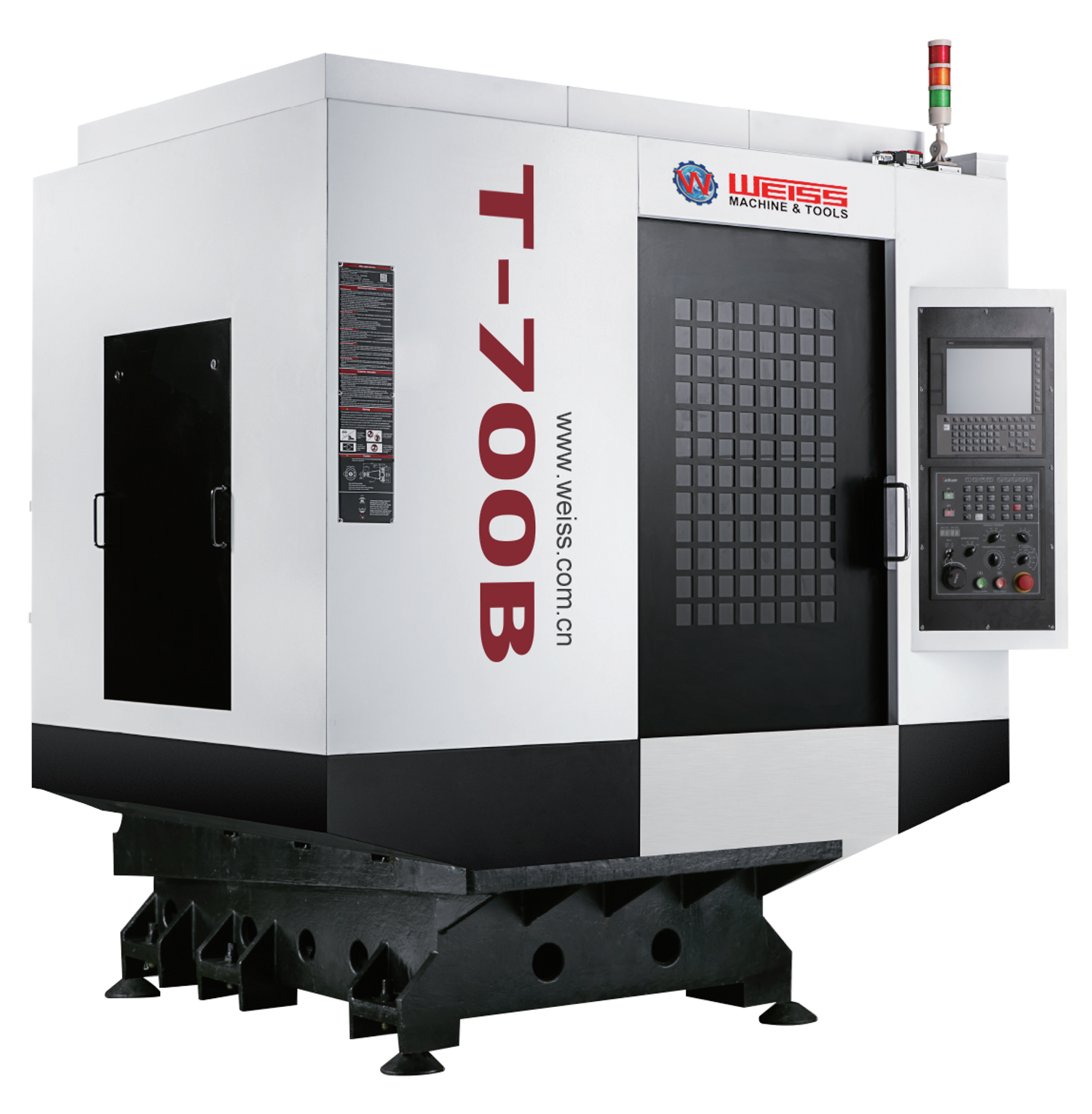
Streamline CNC Machining via Design
Streamlining CNC Machining via Design is a key strategy to maximize the efficiency of CNC Machining Centers. By integrating design for manufacturability (DFM) principles, businesses can optimize both the product design and the machining process itself. Here’s how this approach works:
1. Designing for Manufacturability (DFM)
Designing parts with CNC Machining Centers in mind allows for smoother, more efficient production. DFM involves creating designs that are easy to machine, reducing production complexity and costs. This includes minimizing unnecessary features, reducing the number of part setups, and selecting appropriate materials for the machining process. By streamlining design, manufacturers can take full advantage of CNC Machining Centers, improving production speed and reducing waste.
2. Leveraging CAD/CAM Integration
Many CNC Machining Centers integrate directly with CAD (Computer-Aided Design) and CAM (Computer-Aided Manufacturing) software, allowing for seamless communication between design and production. This integration streamlines the process by enabling machinists to directly import digital designs into the CNC Machining Center, reducing the chances of errors during programming. By aligning design and machining operations, manufacturers can significantly reduce lead times.
3. Optimizing Tool Paths
Optimizing tool paths in the design phase can streamline CNC machining. By using efficient tool paths, manufacturers reduce the amount of cutting required, minimize tool wear, and decrease cycle times. This not only speeds up production but also extends the lifespan of tools, reducing overall operational costs.
Key Features of CNC Machining Centers That Streamline Production
When it comes to streamlining production, CNC Machining Centers offer a range of advanced features that enhance both speed and precision. Here’s a look at some of the most important features to consider:
1. Multi-Axis Capability
CNC Machining Centers are available in multiple configurations, from 3-axis to 5-axis and beyond. Multi-axis machining allows for more complex parts to be produced in a single setup, reducing the need for manual repositioning and increasing efficiency.
- 3-axis CNC Machining Centers are suitable for most basic tasks, such as drilling and milling, where movement occurs in the X, Y, and Z planes.
- 5-axis CNC Machining Centers provide additional rotational movement, enabling more complex part geometries to be machined with greater precision.
2. High-Speed Spindles
High-speed spindles are essential for fast and accurate material removal. CNC Machining Centers equipped with high-speed spindles can machine parts at a much faster rate than conventional machines, reducing cycle times and boosting overall productivity. Faster spindle speeds also improve surface finish, reducing the need for secondary finishing processes.
3. Automatic Tool Changers (ATCs)
Automatic Tool Changers (ATCs) enhance production by automatically switching tools during the machining process. This feature reduces manual labor and setup time, allowing for continuous operation. An ATC can hold multiple tools, making it ideal for complex jobs that require different types of cutting, drilling, or milling in a single setup.
4. Advanced Control Systems
Control systems are the brain of the CNC Machining Center, enabling it to execute precise instructions from the CAM software. Modern CNC Machining Centers are equipped with advanced control systems, such as FANUC or Siemens, that offer user-friendly interfaces and high customization. These control systems improve the machinist’s ability to program the machine quickly and efficiently, reducing the learning curve and boosting production speeds.
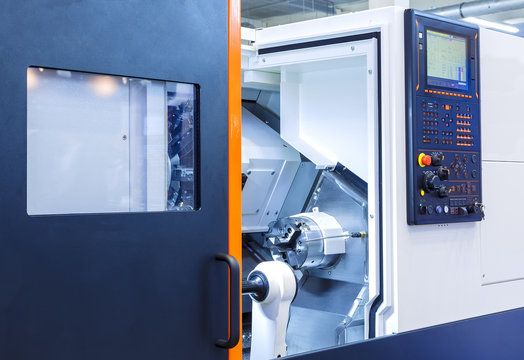
Applications of CNC Machining Centers in Modern Manufacturing
CNC Machining Centers have a wide range of applications across different industries. From creating precision aerospace components to high-quality medical devices, these machines are indispensable in many fields. Let’s explore some of the key applications:
1. Aerospace Manufacturing
The aerospace industry demands high precision and tight tolerances, making CNC Machining Centers an essential tool. These machines are used to produce parts such as turbine blades, engine components, and airframe structures.
2. Automotive Industry
In the automotive sector, CNC Machining Centers are widely used for producing engine parts, gearboxes, and brake components. The speed and accuracy of these machines enable manufacturers to meet the high production demands of the automotive industry while maintaining exceptional quality.
3. Medical Device Manufacturing
The medical device industry relies on CNC Machining Centers to produce highly precise and intricate parts, such as surgical instruments, implants, and prosthetics. The ability of CNC machines to work with biocompatible materials and achieve tight tolerances is critical to ensuring the safety and efficacy of medical devices.
Benefits of Streamlining the Manufacturing Process with CNC Machining Centers
By incorporating CNC Machining Centers into your production line, you can reap numerous benefits that directly impact your bottom line. Some of the key advantages include:
1. Increased Productivity
CNC Machining Centers allow manufacturers to produce more parts in less time, thanks to automation and continuous operation. This leads to higher output and the ability to meet customer demand more effectively.
2. Lower Labor Costs